Climate Strategy
A clear vision through 2037
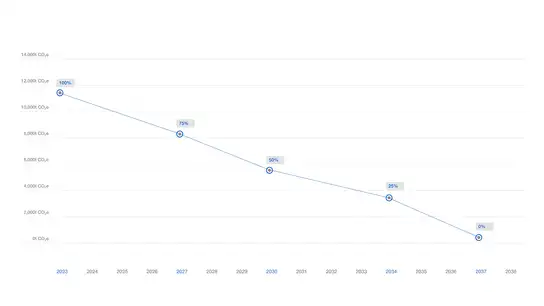
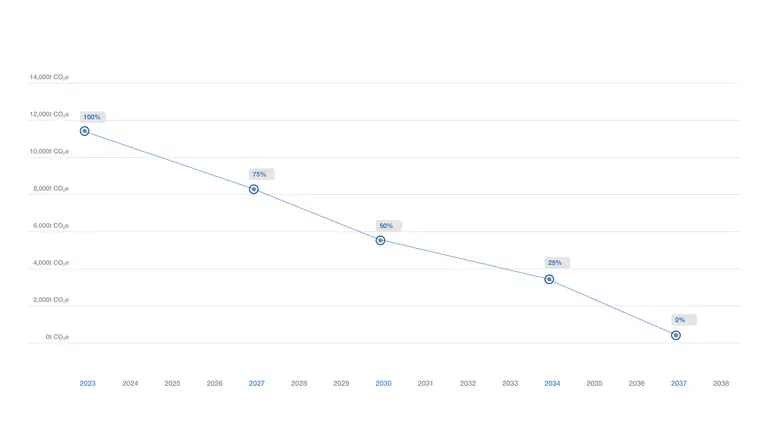
To achieve our targets, we are focusing on four central decarbonization levers:
Green electricity
By 2026, all company sites worldwide are to be fully supplied with certified green electricity. This will significantly reduce emissions from purchased electricity and represents a key step toward achieving our interim targets.

On‑site renewable energy generation
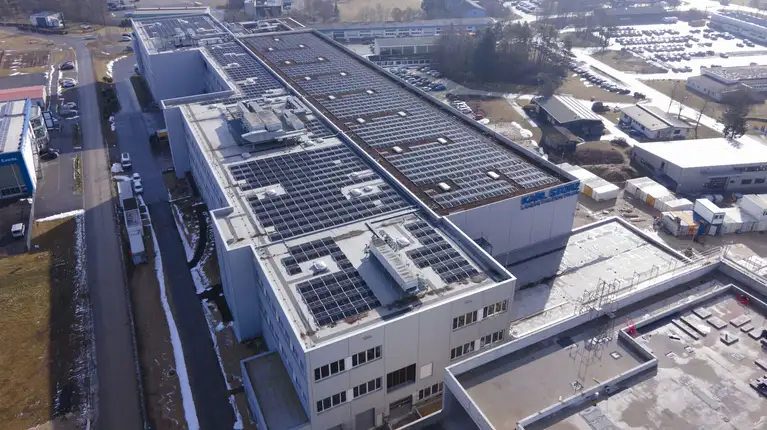
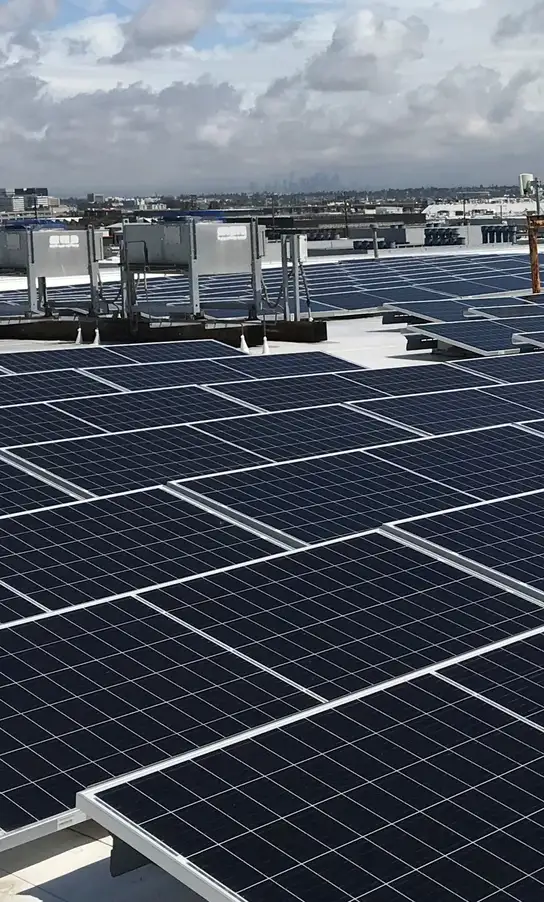
We are expanding renewable energy generation at our sites, primarily through photovoltaic systems. By 2034, we aim to reach a total installed capacity of 3.5 MW—roughly equivalent to the annual electricity demand of 750 to 800 four‑person households.
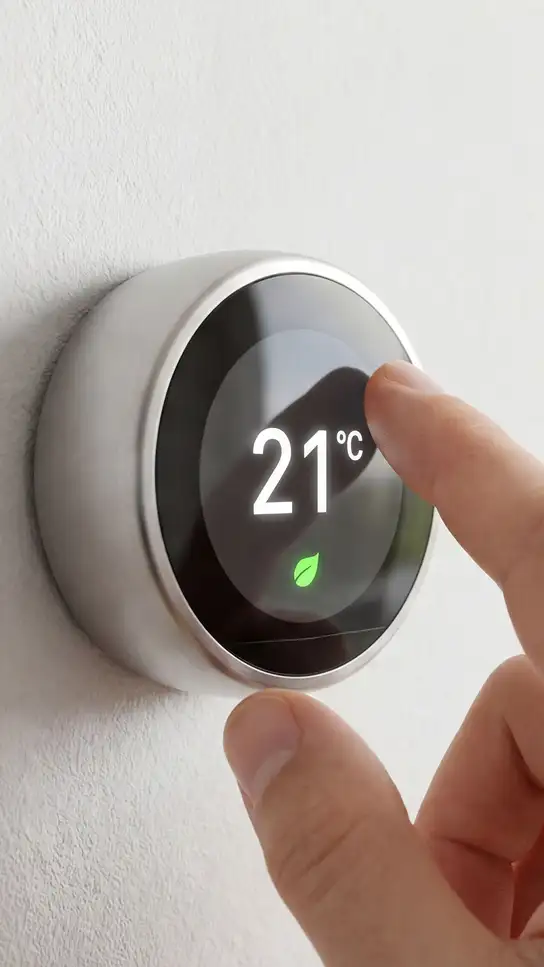
Energy efficiency initiatives
Through the modernization of infrastructure, the increased use of energy‑efficient technologies, and the reduction of standby consumption, we plan to implement energy‑efficiency measures with a cumulative savings potential of up to 5 GWh by 2037—comparable to the annual energy consumption of an ice rink.
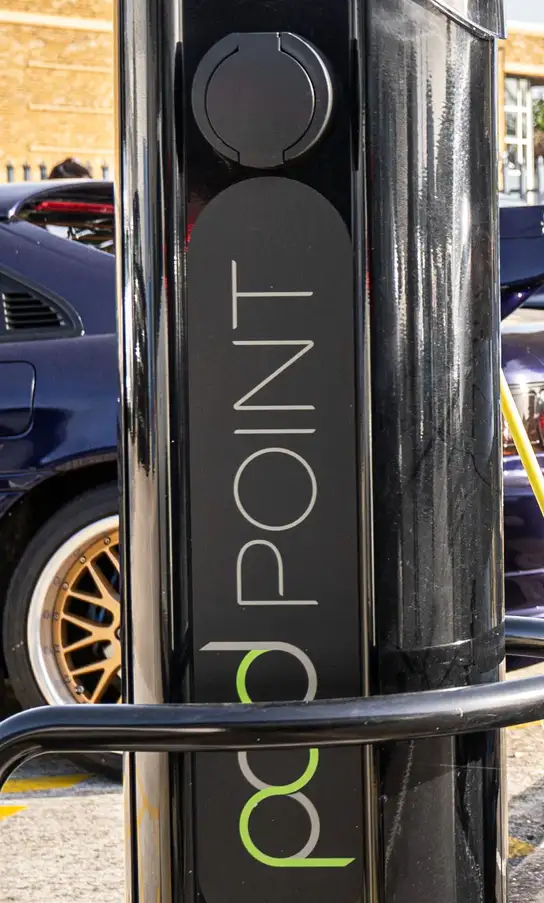
Fleet management
We are gradually converting our global company car fleet to alternative drivetrains, particularly electric vehicles. Our goal is to achieve largely emission‑free mobility by the end of 2037.
Addressing residual emissions
Even with ambitious climate action, some residual emissions will remain unavoidable. These emissions are intended to be compensated for in the future through high‑quality climate‑protection projects, with the aim of achieving net‑zero emissions for Scope 1 and Scope 2.
What comes next: tackling Scope 3 emissions
While our strategy for Scope 1* and Scope 2** emissions is clearly defined, we are already working on the next major step: the systematic collection and analysis of Scope 3*** emissions along our value chain. These include upstream emissions from purchased goods and services as well as downstream emissions from the use and end‑of‑life treatment of our products.
As a first step, we have conducted a materiality analysis to identify and prioritize the most relevant emission hotspots. Based on ongoing data collection and analysis, we will develop a comprehensive Scope 3*** climate strategy—an important next milestone on our path toward achieving our long‑term climate ambition.
Our efforts are mainly focused on reducing and avoiding Greenhouse Gas (GHG) emissions rather than compensation. Emissions are defined by the GHG Protocol as follows:
* Scope 1 emissions are direct emissions from owned or controlled sources.
** Scope 2 emissions are indirect emissions from the generation of purchased energy.
*** Scope 3 emissions are all indirect emissions (not included in Scope 2) that occur in the value chain of the reporting company, including both upstream and downstream emissions.